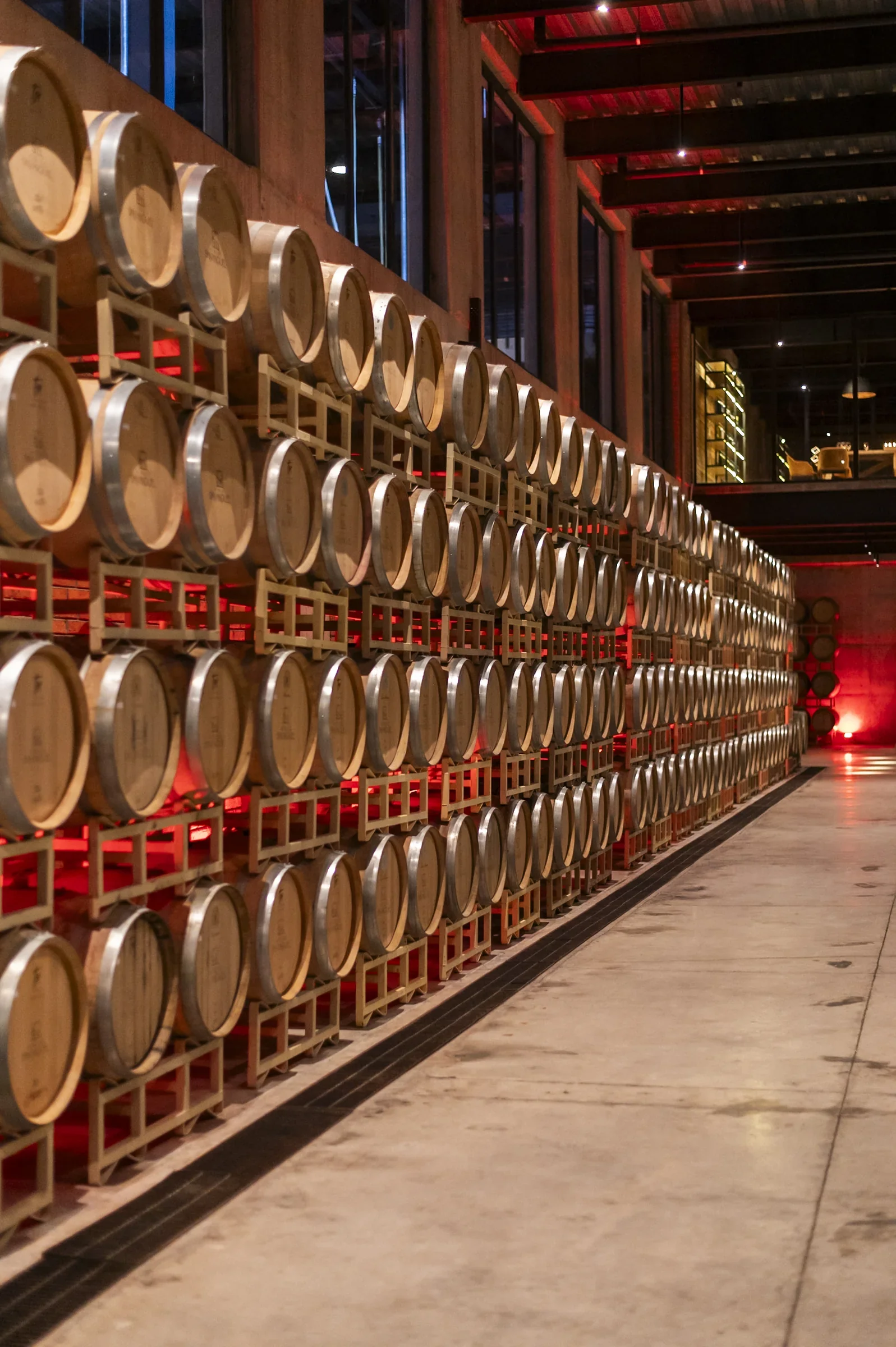
When people think of San Miguel de Allende, they often picture cobblestone streets, marigolds, colonial architecture, and the iconic pink towers of the Parroquia. Yet just minutes beyond the city limits, another kind of magic takes root: vineyard culture.
Over the last decade, the state of Guanajuato has steadily become one of Mexico’s leading wine destinations. San Miguel sits at the heart of this oenological renaissance, offering an experience that can rival established regions such as Valle de Guadalupe or Tuscany—but with an unmistakably Mexican soul.
Below is what you should know about the rise of wine culture in San Miguel de Allende.
Terroir: Why the vine thrives here
It may be surprising that the semi-arid landscape around San Miguel is an ideal home for grapes. The secret lies in altitude.
At roughly 2,000 meters above sea level, the region enjoys warm, sunny days contrasted with cool, breezy nights. That wide diurnal shift allows grapes to reach optimal ripeness while keeping essential acidity. The result? Outstanding expressions of Cabernet Franc, Syrah, Malbec, Tempranillo, and vibrant whites such as Sauvignon Blanc.
More than a tasting: The wine-tourism lifestyle
In San Miguel, wine goes beyond the glass; it is an aesthetic and a full lifestyle. Wine tourism here is built around immersive luxury and contemplation.
Regional vineyards are not limited to tasting rooms. They are expansive estates with boutique hotels, spas, polo fields, olive groves, and top-tier restaurants. Architecture often blends rustic Mexican hacienda charm with European elegance or clean-lined modernism. A day at a San Miguel vineyard is meant to be a slow sensory experience: a long lunch under a mesquite, a walk among the vines, and a glass of rosé at sunset.
Must-visit vineyards on the wine route
If you are planning a tour, these properties help define local wine culture:
- Bodega Dos Búhos: Just 10 minutes from downtown, this family-run boutique winery stands out for organic farming and a strong artistic vocation. Contemporary sculptures among the vines, a beautiful chapel, and a restored train car as a tasting room. Its organic Tempranillo is a must.
- Viñedos San Lucas and San Francisco: Sister properties that evoke the calm of the Italian countryside—cypresses, lavender fields, and olive trees. Olive oil tastings, equestrian facilities, and excellent dining—ideal for wood-fired pizza with vineyard views.
- Tres Raíces: For design lovers, an architectural gem. Bold angular buildings sit dramatically in the landscape, with a curated culinary experience pairing high-altitude reds with elevated Mexican cuisine.
- Cuna de Tierra: Though in neighboring Dolores Hidalgo, it is a pioneer of Guanajuato’s wine scene and an essential stop. Home to the state’s first commercial harvest; its blend reds are frequently awarded internationally.
Traveler’s note: The best season to experience this culture at its peak is harvest festivals, usually from late July through September, with grape stomping, live music, chef-led dining, and new releases.
A toast to the future
San Miguel de Allende has long been a sanctuary for artists, international travelers, and food lovers. World-class wine culture feels like a natural next chapter. Whether you enjoy an occasional glass or are a seasoned collector, Guanajuato’s vineyards are a fresh, exciting frontier in the global wine map.
Cheers! 🍷